
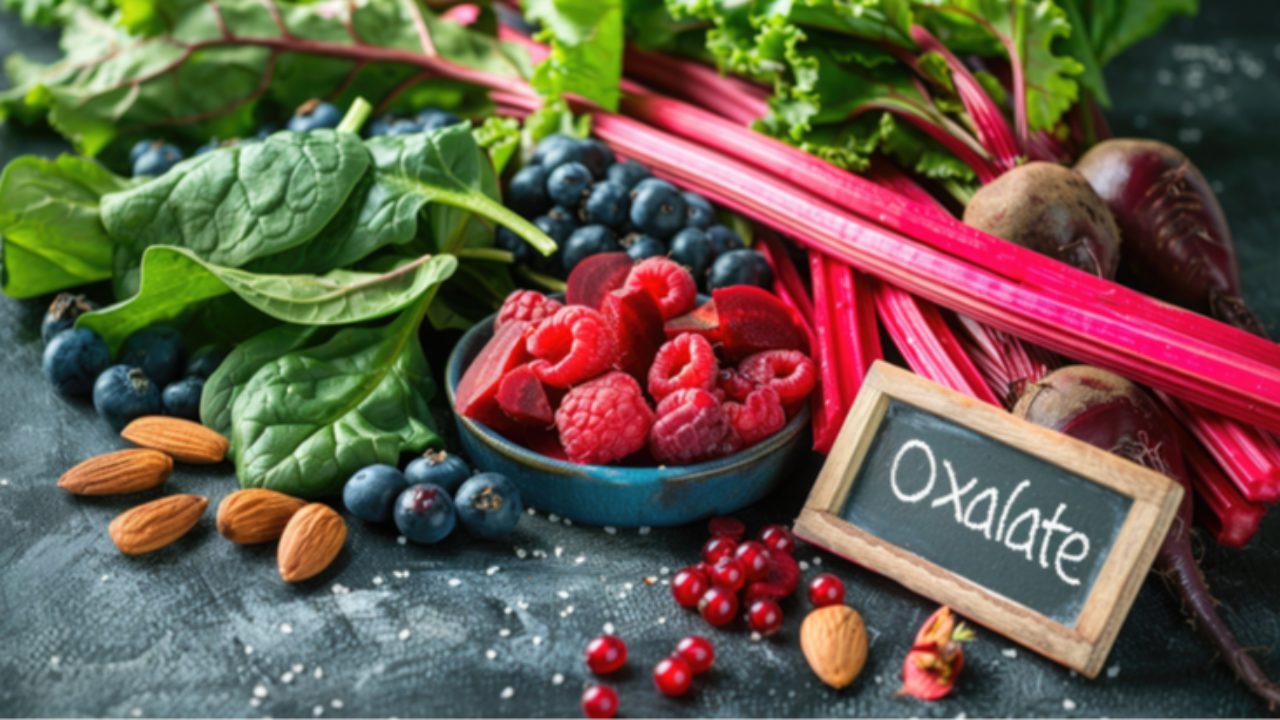
Oxalates are naturally occurring compounds found in many plant foods such as spinach, beets, nuts, and chocolate. While small amounts are not usually harmful, in certain people oxalates can build up and contribute to joint pain, kidney stones, vulvodynia, fatigue, and other mysterious symptoms.
Oxalates can bind to minerals like calcium and magnesium, forming crystals that can deposit in the kidneys, bladder, thyroid, joints, and even connective tissue — leading to inflammation and discomfort.
Why Do Oxalates Become a Problem?
Most people can break down and eliminate oxalates without issue. But when digestion, bile flow, or gut microbiome balance is impaired, oxalates can accumulate and cause trouble.
Common contributors include:
- Sluggish gallbladder or poor bile flow – Bile helps bind oxalates to calcium in the gut so they can be excreted. If fats aren’t digested well, calcium binds to fat instead, leaving oxalates “free” to be absorbed.
- Yeast or fungal overgrowth – Candida can produce oxalates, adding to your body’s burden.
- Gut microbiome imbalance – A healthy gut contains bacteria (like Oxalobacter formigenes) that break down oxalates, but antibiotics, poor diet, or gut infections can wipe them out.
How Do You Know If Oxalates Might Be an Issue?
Some possible symptoms of oxalate buildup include:
– Joint pain or stiffness
– Muscle aches or fibromyalgia-like pain
– Kidney stones
– Vulvodynia or pelvic pain
– Eye pain or gritty eyes
– Bladder irritation or frequent urination
– Tingling, burning, or “pins and needles” sensations
– Unexplained fatigue or brain fog
Testing options:
– Organic Acids Test (OAT) – measures oxalate metabolites.
– 24-hour urine oxalate test.
– Symptom tracking and dietary history.
Practical Tips to Reduce Your Oxalate Load
Rather than going on an extreme low-oxalate diet (which can cause withdrawal symptoms), I recommend a gentle, balanced approach.
- Support Bile Flow & Fat Digestion
– Eat bitter greens like arugula, dandelion, and radicchio before meals.
– Consider digestive bitters or bile-support supplements (with practitioner guidance).
– Add healthy fats in moderate amounts — olive oil, avocado oil, coconut oil. - Pair Oxalate-Rich Foods with Calcium
Calcium binds oxalates in the gut and helps flush them out.
Examples:
– Spinach salad with coconut yogurt or a sprinkle of goat cheese.
– Almond butter with fortified coconut milk.
– Dark chocolate with a side of chia pudding made with calcium-rich plant milk. - Reduce Candida & Gut Dysbiosis
Work on rebalancing your gut microbiome through probiotics, antifungals, and fiber diversity. - Gradually Lower High-Oxalate Foods
Don’t cut everything at once. Slowly swap high-oxalate foods (spinach, almonds, beets) for lower-oxalate options (romaine, pumpkin seeds, zucchini). - Supplement Support
– Calcium citrate – binds oxalates in the gut.
– Magnesium citrate – similar binding action.
– Vitamin B6 – helps reduce oxalate production in the body.
– Probiotics – while Oxalobacter formigenes isn’t commercially available yet, certain strains like Lactobacillus plantarum may help.
Final Thoughts
Oxalates don’t have to rule your health. By supporting your digestion, improving bile flow, balancing your microbiome, and making small dietary tweaks, you can lower your oxalate burden and reduce symptoms naturally.
Want to keep learning about hidden gut triggers like oxalates — and get practical tips you can use right away? Join my free Facebook community, The Gut Health Revolution, where I share live trainings, recipes, and real-life healing strategies. Click here to join us:
https://www.facebook.com/groups/theguthealthrevolution
Dr. Ilona
The Gut Alchemist